There are events that give you energy for months. EnergIA Renovada 2.0 was one of them.
It’s no coincidence that Wembley organizes an event on artificial intelligence in the energy sector: we’ve spent years building technology for companies that operate renewable assets, and we know firsthand that the sector’s complexity has changed in scale. BESS has accelerated everything, and the companies operating these assets need solutions that are up to that challenge.
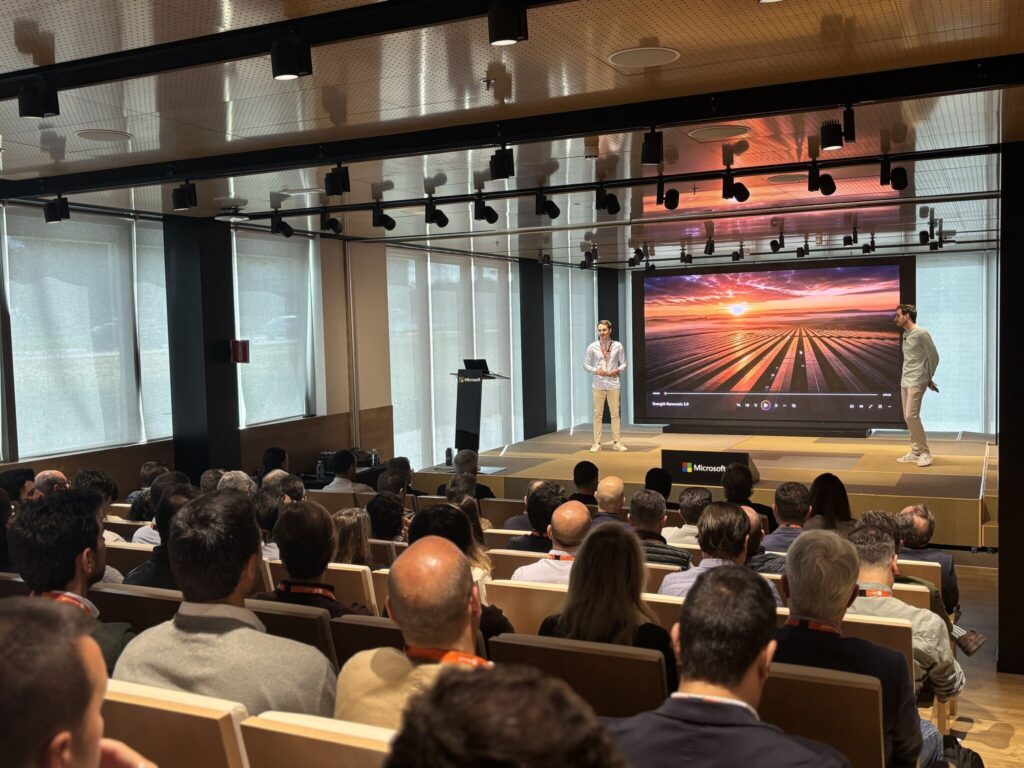
The event wasn’t designed for listening to presentations from your seat. It was designed for debate, for questions, for putting on the table what’s really happening in renewable asset operations. And that’s exactly what happened, with voices from Proyecta PV, Microsoft, Peblex, Aepibar, Risen Energy, Opengy and Cepsa, among others.
What we take away from EnergIA Renovada 2.0
One of the ideas that framed the day was raised by José Ramón Estévez from Proyecta PV in the opening: we are so focused on squeezing the economic performance of BESS — forecasting, cycle management, market pricing — that we often fail to ask whether the asset is actually performing well technically.
And that has direct consequences. BESS (Battery Energy Storage System) is a radically more complex asset than solar PV or wind. An energy storage plant can generate up to 60 million daily records, with thousands of simultaneous monitoring channels.
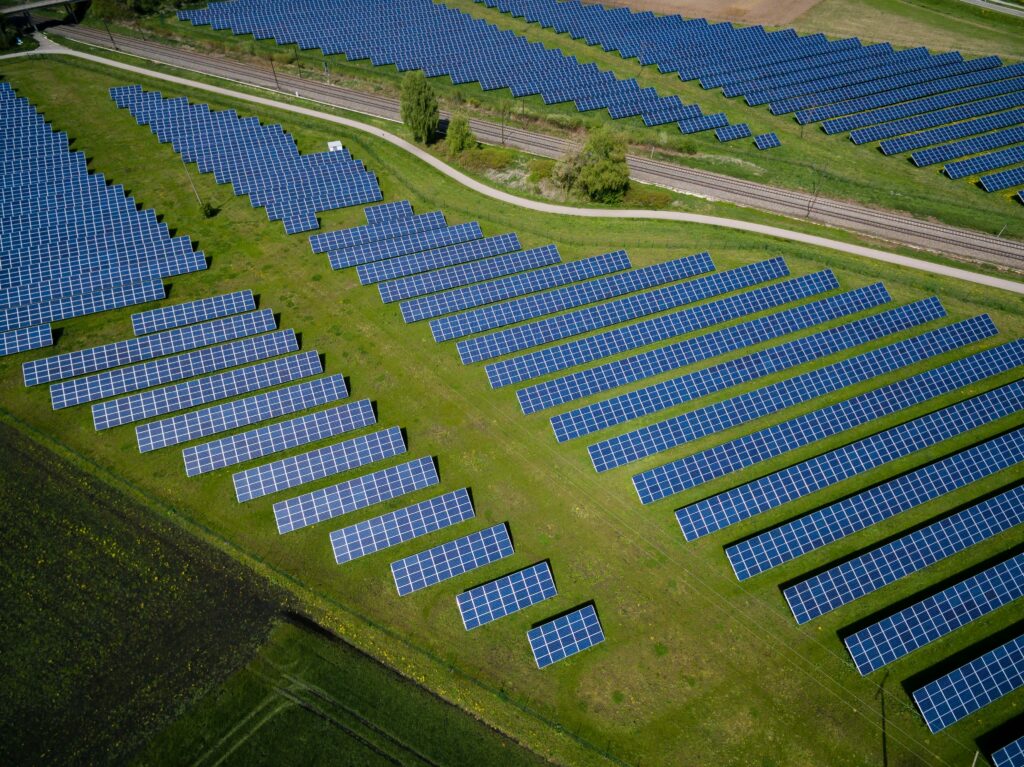
Traditional management systems, based on static thresholds and manual alerts, are not equipped to process that volume or to detect degradation patterns that develop gradually. Added to this is the fact that many BESS manufacturers treat the asset as a black box, limiting access to the system’s internal data. The result is reactive operations that act when the problem has already occurred, not before.
What we take away from EnergIA Renovada 2.0
AI makes it possible to process the volume of information that no human team can analyze manually, and to detect anomalies before they become failures. In solar PV, this translates into more accurate production forecasting systems and early warnings about inverter behavior.
In BESS, it enables real-time monitoring of the actual state of cells, identification of deviations in charge and discharge cycles, and anticipation of performance issues that would compromise the asset’s profitability or warranty validity. Furthermore, AI is beginning to replace traditional operating interfaces: instead of reviewing static dashboards, the operator can query the system directly about what is happening and receive a contextualized response in real time.
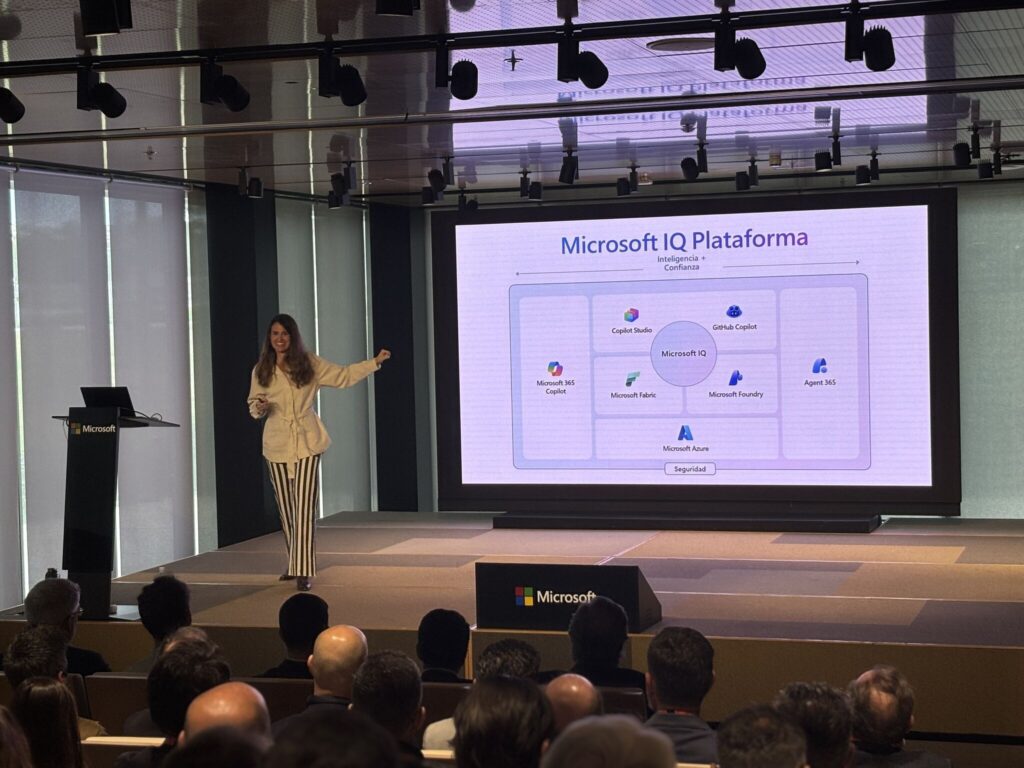
Ainara Arnaiz from Microsoft framed it well during the event: the companies that will make a difference are not those that adopt AI tools on a one-off basis. They are the ones that redefine the way they work from within, using their own processes and workflows as the foundation. In the energy sector, that means moving from reacting to anticipating.
What we take away from EnergIA Renovada 2.0
Wembley Studios develops the technology layer that enables renewable asset operations with AI integrated from the architecture up. We work on the design and development of monitoring platforms, production forecasting systems, operating interfaces, and agents that automate alerts and real-time decisions.
As Microsoft partners with designations in Data & AI and Digital & App Innovation, we build solutions on Azure tailored to the scale and complexity of the energy sector.
We don’t work on isolated pilots: we help companies bring AI into their real operations, with the business as the starting point and technology as the means. A concrete example is our work with Proyecta PV on the development of a solar PV plant monitoring and production forecasting system based on satellite imagery.
What we take away from EnergIA Renovada 2.0
EnergIA Renovada 2.0 confirmed something we already sensed: the sector has clarity on the challenges, is eager to solve them, and is more willing than ever to learn from those who already have real cases on the table. The conversation is no longer about whether AI should be incorporated into renewable operations. The conversation is about how to do it well, without empty promises and with both feet on the ground.
Operating BESS in 2026 without real technical visibility is not a conservative option. It’s a risk. The assets are complex, the volume of information is massive, and the consequences of mismanaging it — economic, contractual, operational — are very real. AI doesn’t solve that on its own, but without it, the problem is unmanageable.
Does your company already have a clear strategy for operating its assets with AI, or are you still figuring out where to start?
At Wembley we’ve spent years building the technology that makes this kind of operation possible, backed by Microsoft. If you want to explore how it can apply to your case, wembleystudios.com is where to start.